Saturday, July 4, 2015

Avocado, Tomato, & Cucumber Salad

Avocado, Tomato, & Cucumber Salad

Summertime is a great time to enjoy a refreshing salad that takes only minutes to prepare and makes full use of the season’s superstar ingredients. Tomatoes, avocados, and cucumbers all begin to shine during the summer months, and this is the best time to enjoy them. Visit your local farmer’s market, and find ripe avocados, juicy tomatoes, and crisp, crunchy cucumbers for your healthy summer salad. Sometimes, when the sun and the humidity are high, a cooling salad like this one is a refreshing break from heavy meat dishes, cumbersome sandwiches, and baked meals that heat up the kitchen!

Simple peel and slice your avocados, slice your cucumbers, and toss them with your cherry tomatoes in a bath of balsamic vinegar, extra virgin olive oil, salt, and pepper. Add some red onions and arugula for savory appeal, and you’ve got yourself a salad that works well as a side, accompanying fish or chicken, or as a meal in itself, with some whole grain bread to sop up some of that extra balsamic!
And this salad is chock full of superfoods! Avocados are rich in fiber, potassium, folate, and vitamin K. They’re also loaded with heart-healthy monounsaturated fats in the form of oleic acid. Tomatoes are rich in lycopene and vitamin C, as well as other antioxidants. And cucumbers are fiber-rich, and full of B vitamins. This is a salad you can have double helpings of…it’s a bowl full of nutrition!


Yields: 6 servings | Serving Size: 1-1/2 cups | Calories: 285 | Previous Points: 7 | Points Plus: 8 | Total Fat: 22 g | Saturated Fat: 3 g | Trans Fat: 0 g | Cholesterol: 0 mg | Sodium: 141 mg | Carbohydrates: 22 g | Dietary Fiber: 6 g | Sugars: 11 g | Protein: 3 g |

Ingredients
              1/3 cup balsamic vinegar
              1/3 cup extra virgin olive oil
              1/4 teaspoon salt
              1/4 teaspoon freshly ground black pepper
              2 avocados, peeled and sliced
              14 ounces cherry tomatoes halved
              2 cucumbers, sliced
              2 medium red onions, sliced
              4 cups arugula

Directions
In a small bowl, mix the balsamic vinegar, extra virgin olive oil, salt and pepper. Adjust the taste if needed.

In the serving bowl, combine all the vegetables then dress with the balsamic dressing before eating.


Friday, July 3, 2015

Coconut Milk Ice Cream: The Ultimate Metabolism-Boosting Dessert!
Metabolism boosting ice cream? Yes- you heard that right! Let’s talk about why…


Coconut milk: While traditional ice cream can be a great treat for many, many people with sub-par health can have dairy allergies or sensitivities, making it more stressful to digestion and the immune system (not the best thing for boosting the metabolism and fat loss). Coconut milk as a base on the other hand is a very tasty alternative with some excellent benefits. Coconut milk is anti-inflammatory, anti-fungal, stimulating to the metabolism, easy to digest, and full of antioxidants.
Chocolate: Dark chocolate is chock full of magnesium which is needed as an important cofactor for over 300 enzyme reactions in the body. Not only is magnesium lacking in the American diet (due to soil depletion & processed foods), but your body also wastes magnesium under stress. Magnesium helps to counter the stress responsive to support the metabolism.
Calcium: According to Dr. Ray Peat, PhD, calcium is a huge stimulator to the metabolic rate. And so that means that additive free dairy products like whole milk, cottage cheese, ice cream and other cheeses can be a great choice, since dairy is packed with high quality protein, fats and calcium. But in this case, because this is a dairy free ice cream, it uses a small amount of homemade very finely powdered eggshell calcium. It’s completely optional, but adds a special nutritional component if you want it!
Organic sugar: Not only is real sugar extremely easy to digest (especially when dissolved like here), it also provides your body with quick efficient energy to feed your cells and stimulate the metabolism! Did you know that your liver stores sugar (called glycogen), and that you NEED a steady flow of sugar to keep glycogen stores topped off? Without a healthy storage of glycogen, your liver won’t convert thyroid hormone T4 (inactive) to T3 (active form) — which FUELS your metabolism. As Dr. Peat puts it, “The liver provides about 70% of our active thyroid hormone, by converting thyroxine to T3, but it can provide this active hormone only when it has adequate glucose.” If you think your sugar free diet is doing you any favors, check in with your body temperature in the morning- a waking temperature of less than 97.8 degrees is a sign that your metabolism is lacking (and that thyroid conversion isn’t happening like it should).
Pastured egg yolks: According to Catherine over at the Butter Nutrition blog, eggs are like nature’s multivitamin containing everything needed to create life! Each egg contains about 6 grams of protein, vitamin A, vitamin D, vitamin E, B2,B5, B12, choline and cholesterol. Getting a few eggs per day with a few extra yolks is a great way to give your body MORE of the nutrients it needs.
Collagen: This is completely optional, but adds a little extra anti-inflammatory protein to support your liver and phase 2 detoxification. If you want to learn more about how and WHY to use it, read all about it’s amazing detoxifying and anti-aging qualities here.

Chocolate Coconut Milk Ice Cream via Butternutrition.com
1 can coconut milk (like this additive free brand without guar gum)
3 pastured egg yolks*
4.5 tb pure cacao powder ( this one)
2 tb dark chocolate chips (finely shredded)
1/4 cup + 2tb organic cane sugar
1 tb collagen hydrolysate (optional, like this)
1/2 tsp finely powdered eggshell calcium (optional)
¼ tsp salt
1 tsp vanilla

Method:
1) Combine 1/2 can of coconut milk and all of the sugar in a saucepan on medium, and heat until dissolved (this inverts the sugar and makes it easier to digest, particularly for those on GAPS or SCD diets). Let this cool in the fridge for about 1 hour.
2) In a blender combine the chilled coconut milk/sugar mixture, the rest of the coconut milk, egg yolks, vanilla, & salt. Blend at a low-speed until combined.
3) Add cocoa powder, gelatin (optional) and eggshell calcium (optional). Blend.
4) Pour in ice cream maker and wait patiently.
5) Top this chocolate coconut milk ice cream with shredded chocolate chips or stir in to combine. Enjoy!
*Raw egg yolks can be lethal and are not appropriate for everyone, especially those with weakened immunity. Please do your own research and make your own choice on whether they are right for you. You may also view our disclaimer here.
Sources:
Butter NutritionPhoto Credit: Depositphotos.com/StephanieFrey

Quick Adsense WordPress Plugin: http://quicksense.net/
HOW TO MAKE HOMEMADE MOUTHWASH:
A 3 INGREDIENT RECIPE


Mouthwash is something just about everyone has in their home, but do you know what’s actually IN that product you are swishing around in your mouth? Unless you’ve specifically sourced a natural product, chances are the ingredient list is NOT pretty. According to this article, “CERTAIN types of mouthwash increase the risk of heart attacks and stroke and are a “disaster” for health, scientists have warned.” This article is referring to chlor­hexidine, an ingredient found in some mouthwashes that can kill helpful bacteria that help the blood vessels relax.

Other popular mouthwash ingredients include alcohol (dries the mouth and disrupts the natural pH of the mouth), sodium saccharin (sweetener, carcinogen, linked to bladder cancer in animals), artificial colors, benzoic acid (preservative & antibacterial agent, linked to allergies, asthma), and Poloxamer 407 (a detergent, linked to high cholesterol in mice). And that’s just scratching the surface, as there are many other chemical agents found across different brands of mouthwash.

Aside from the chlorhexidine and toxins discussed above, many mouthwashes have a warning label that reads something like this:
Keep out of reach of children. If more than used for rinsing is accidentally swallowed, get medical help or contact a Poison Control Center right away.”

I don’t know about you, but I don’t like putting a product in my mouth that if swallowed requires a call to poison control! Which leads us to my super simple recipe for an all natural homemade mouthwash recipe you can make in about 30 seconds.

HOMEMADE MOUTHWASH INGREDIENTS:
1.5-2 cups filtered water
1 tsp baking soda

PROCESS:
1) Combine ingredients into a glass bottle or jar and keep in your bathroom.
2) Use this homemade mouthwash after you eat something sugary or whenever your breath needs a little freshening!
*Note: It’s important to always use therapeutic grade essential oils that don’t contain additives and fillers! Especially when you are putting them in your mouth! I recommend buying high quality essential oils at wholesale prices. Learn more…   


Thursday, July 2, 2015


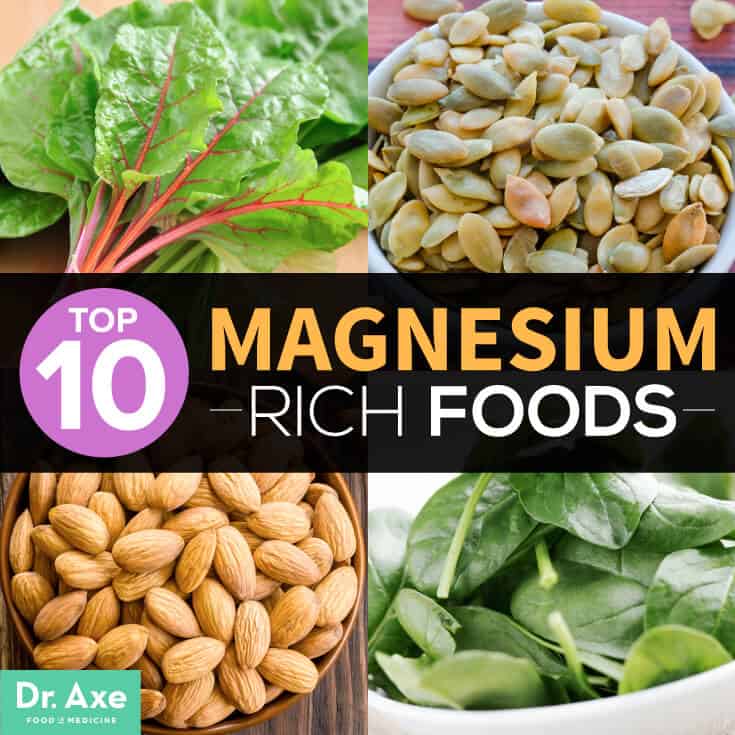
Top 10 Magnesium Rich Foods Plus Proven Benefits


Top 10 Magnesium Rich Foods
Magnesium-rich foods are essential for cellular health and over 300 biochemical functions in the body. Unfortunately, around 80 percent of American’s may have amagnesium deficiency, and the majority of them don’t even know it!
A study published in BMC Bioinformatics found that your body has 3,751 magnesium binding sites. This indicates that magnesium benefits are far greater than previously imagined. Because your body requires and uses magnesium for so many different functions, you can quickly become low in magnesium especially if you are not consuming enough high magnesium foods.

Some of the major functions that require magnesium are: 
  • Protein synthesis
  • Nerve function
  • Blood sugar control
  • Neurotransmitter release
  • Blood pressure regulation
  • Energy metabolism
  • Production of the antioxidant glutathione

Are You Getting Enough Magnesium-Rich Foods? 

Magnesium deficiency is dramatically under-diagnosed because it doesn’t show up on a blood test! Only 1 percent of the magnesium in your body is stored in your blood, and the majority of it’s stored in your bones.
Some of the main health challenges that have been linked to a magnesium deficiency include:
  • Hormone imbalance and PMS
  • Fibromyalgia
  • Heart attack
  • Type 2 diabetes
  • Osteoporosis
  • Constipation
  • Tension or migraine headaches
  • Anxiety and depression
  • Chronic fatigue
As you can see, increasing your intake of high magnesium foods is essential to your health.

How to Increase Your Magnesium Intake

If you think you might be low in magnesium, your best way to address this issue is to start consuming foods that are high in magnesium.
Buying foods from your local farmers market and foods that are grown organically may have higher levels of magnesium. The soil from conventional farms is depleted of magnesium because they don’t rotate their crops or let the land rest. Also, they typically only put nitrogen, phosphorus and potassium back in the soil, but leave out magnesium.
Typically, the foods you’ll find that are highest in magnesium are green leafy vegetables, which are packed with chlorophyll. Chlorophyll is known as the “life blood” of a plant and has the ability to absorb the sun’s light and turn it into energy.
One major difference between human blood and chlorophyll is that human blood has iron at the center of the cell, but plants have magnesium at the center of the cell.

Top 10 Magnesium Rich Foods

Green leafy vegetables aren’t the only foods rich in magnesium and chlorophyll. Here are the top 10 foods high in magnesium that you will want to add into your diet.
(Men RDA 400 milligrams and Women RDA 310 milligrams a day)
  1. Spinach — 1 cup: 157 milligrams (40% DV)
  2. Chard — 1 cup: 154 milligrams (38% DV)
  3. Pumpkin seeds — 1/8 cup: 92 milligrams (23% DV)
  4. Yogurt or Kefir — 1 cup: 50 milligrams (13% DV)
  5. Almonds — 1 ounce: 80 milligrams (20% DV)
  6. Black Beans — ½ cup: 60 milligrams (15% DV)
  7. Avocado — 1 medium: 58 milligrams  (15% DV)
  8. Figs — ½ cup: 50 milligrams (13% DV)
  9. Dark Chocolate — 1 square: 95 milligrams (24% DV)
  10. Banana — 1 medium: 32 milligrams (8% DV)
Other foods that are also high in magnesium include: salmon, coriander, cashews, goat cheese and artichokes.
Top 10 Magnesium Foods Infographic Chart


The Most Common Causes of Magnesium Deficiency

Most common causes of magnesium deficiency include:
  • Consuming less than three servings of vegetables per day
  • Excess alcohol consumption
  • A diet high in sugar and phytic acid
  • Taking prescription medications like antibiotics and diuretics
  • Poor digestive absorption due to leaky gut

Magnesium More Crucial Than Calcium

Most of the press and research over the last 50 years has gone towards calcium supplementation. But if you look at the statistics, supplementing with magnesium is even more important.
Eating a ‘traditional diet’ or ‘primal diet’ will give you a pretty close 1:1 or 2:1 ratio of calcium to magnesium. But today most people are consuming the ‘SAD Diet’ (Standard American Diet) and we now have a 3.5:1 ratio, which causes low levels of magnesium.
Also, remember this, for you body to utilize calcium you need to have magnesium as a cofactor. So, there are millions of people taking calcium supplements without magnesium, and they have zero improvement to show for it!

Magnesium Benefits Studies and Research

There is also a large amount of medical research on the health benefits of magnesium with well over 10,000 studies. Here are five key areas where magnesium has been proven effective.
Cardiovascular Disease — A study published in the American Journal of Clinical Nutrition, which was done on 241,378 participants, found a diet high in magnesium could reduce the risk of a stroke by 8 percent. Another study found that increasing magnesium through diet decreased the risk of a heart attack by 38 percent.
Fibromyalgia — A study published in Magnesium Research examined how magnesium may improve outcomes for fibromyalgia. The research indicated that increasing magnesium consumption reduced pain and tenderness and also improved immune blood markers.
Type 2 Diabetes — Diets high in magnesium foods can also significantly lower the risk of type 2 diabetes because magnesium plays a role in glucose metabolism. An increase of 100 milligrams a day of magnesium was found to decrease the risk of diabetes by 15 percent in a meta-analysis of the data.
Osteoporosis — Magnesium is an essential mineral for bone formation and for the utilization in calcium. In fact, more than half of the magnesium in the human body is stored in the bones. A study published in Biology Trace Element Research found that supplementing with magnesium slowed the development of osteoporosis.
Migraine Headaches — Magnesium food deficiency has been linked to migraine headaches because of its importance in balancing neurotransmitters in the body. A study published in Expert Review of Neurotherapeutics found that taking 300 milligrams of magnesium twice a day reduced the frequency of migraine headaches.

Best Magnesium Supplements

If you think you might be more severely magnesium deficient and want to improve your levels more quickly, you may consider taking a magnesium supplement.
For supplementation, I recommended taking either magnesium chelate, magnesium citrate, magnesium glycinate or magnesium theonate.
Also, using magnesium oil is an excellent option to naturally increase magnesium levels. Putting magnesium oil topically on the skin can lead to faster levels of absorption. You can rub magnesium oil on your feet before bed and is great for improving insomnia, twitching or restless leg syndrome.
I don’t recommend magnesium oxide because it can turn into magnesium hydroxide in the body, which can damage the intestinal walls and is also poorly absorbed.
If you want to learn more about how to overcome low magnesium levels, check out this article on magnesium deficiency.
“Top 10 Magnesium Rich Foods Plus Proven Benefits” Sources:
  • Arayne MS, Sultana N, Hussain F. Interactions between ciprofloxacin and antacids–dissolution and adsorption studies. Drug Metabol Drug Interact 2005;21:117-29.
  • Sarafidis PA, Georgianos PI, Lasaridis AN. Diuretics in clinical practice. Part II: electrolyte and acid-base disorders complicating diuretic therapy. Expert Opin Drug Saf 2010;9:259-73.
  • Larsson SC, Orsini N, Wolk A. Dietary magnesium intake and risk of stroke: a meta-analysis of prospective studies. Am J Clin Nutr 2012;95:362-6.
  • J Eisinger, A Plantamura, P A Marie, T Ayavou. Selenium and magnesium status in fibromyalgia. Magnes Res. 1994 Dec;7(3-4):285-8.
  • Larsson SC, Wolk A. Magnesium intake and risk of type 2 diabetes: a meta-analysis. J Intern Med 2007;262:208-14.
  • Aydin H, Deyneli O, Yavuz D, Gözü H, Mutlu N, Kaygusuz I, Akalin S. Short-term oral magnesium supplementation suppresses bone turnover in postmenopausal osteoporotic women. Biol Trace Elem Res 2010;133:136-43.
  • Sun-Edelstein C, Mauskop A. Role of magnesium in the pathogenesis and treatment of migraine. Expert Rev Neurother 2009;9:369–79

Wednesday, July 1, 2015


SuperFoods Weight Loss


The statistics are stunning! 34% of Americans are obese and 32% are overweight. That means exactly 2/3 of Americans need to lose weight. Obesity has doubled since 1980 (National Center for Health Statistics). 32% of kids are overweight and 16% of American children are already obese! (Center for Disease Control 2009).

SUPERFOODS WEIGHT LOSS
We don’t just need to lose weight to look good in a swimsuit, we need to lose weight to live and fulfill our God-given missions.  Research shows that obesity doubles your risk of heart failure and triples the risk of breast cancer in women! The average middle age weight gain of 22 lbs increases your risk of a heart attack by 75%. But think about the flip side, If you lose 22 lbs, you decrease your risk of heart attack by 75% and risk of cancer by 50%! (Okinawa Diet 2004, Bradley).
By eating the right Superfoods, you won’t just lose weight, you’ll be changing your life, your legacy, and changing your world!
Here are my top 5 nutrient foods for losing weight. They have also been scientifically proven to help in burning fat and losing weight.
                African Mango
                Coconut
                Green-Fed Dairy
                Cinnamon
                Kale
If you want more information on each of these foods, download my free ebook.